
Why This Matters
Where Changing Environments and Human Health Collide
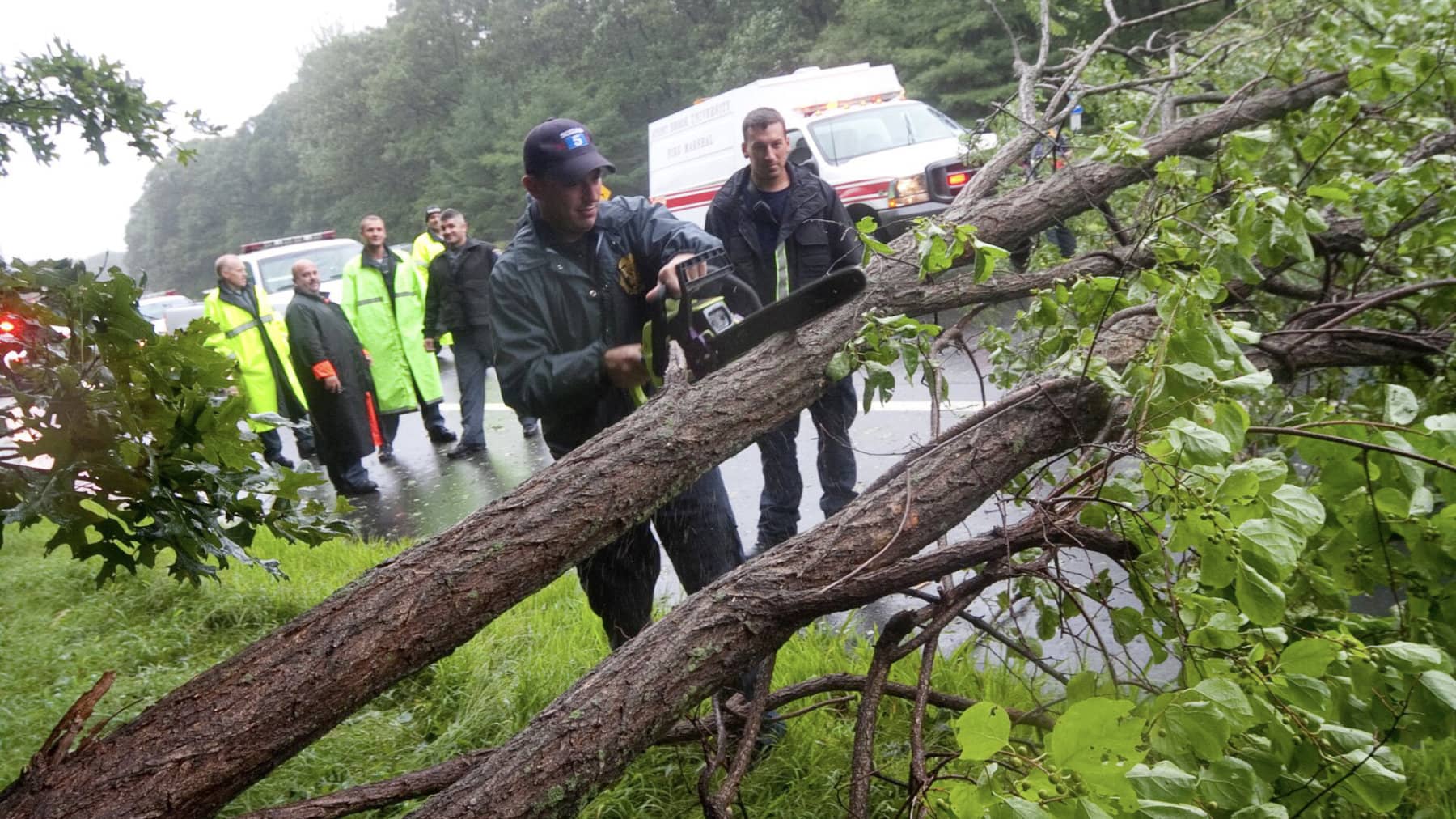
Ask a Long Islander about Superstorm Sandy and you will hear a story about how our environment can have serious impacts on our health. When you lose power or a road washes away, you can imagine immediate health challenges for your family and loved ones:
How can I keep my medicine cold? What if I need to get to the ER? Do I have enough food or water in case stores can’t open?
It’s easy to see how extreme weather can affect our health. But there are everyday changes that can keep us from living long, healthy lives. Worsening air quality from forest fires can cause asthma flare-ups. Rising temperatures can increase tick populations. Algae blooms can harm the seafood we love to eat.
This is why we are cultivating solutions that can make Long Island healthier and more resilient.
Climate Medicine is a branch of clinical care that adapts to how environmental shifts affect our bodies. This includes identifying new ways to treat heat-related illness, talking with patients about diseases that come from pests, researching increases in respiratory issues, and so much more.
Health Equity is the process of ensuring that every person, regardless of their background, has a fair chance to live a long, healthy life. This includes recognizing that different neighborhoods and zip codes have different needs: What works in the middle of the island may not work on the south shore or out on the forks.
Environmental changes don’t impact everyone in the same way. Some communities are hit harder by storms because of where they are. Some communities may be more at risk for heat-related health problems due to age or infrastructure differences. We combine both approaches to build better strategies that improve health outcomes in every neighborhood.
It’s Time to Get Involved
Building a healthier, more resilient world can’t wait. There are many ways you can make a difference.
